

Hear from Our Customers
You shouldn’t have to guess whether that musty smell is harmless or dangerous. You shouldn’t wonder if your kid’s asthma is getting worse because of something hiding in your walls. And you definitely shouldn’t wait until you see visible growth to take action.
Mold testing gives you clarity. It tells you what’s there, where it’s coming from, and whether it’s affecting your air quality. That’s not paranoia—that’s smart homeownership, especially in Bucks County where humid summers and aging homes create the perfect conditions for hidden growth.
When you know what you’re dealing with, you can make informed decisions. You’re not guessing. You’re not overpaying for work you don’t need. And you’re not ignoring a problem that could cost you thousands down the road or affect your family’s health today.
We’ve been helping Holly Hill homeowners get real answers about their indoor air quality for years. We’re not here to scare you into unnecessary work or sell you services you don’t need.
We show up with professional-grade equipment, run thorough inspections, and explain what we find in plain language. No jargon. No upselling. Just honest assessments from people who understand how Bucks County homes are built and where problems typically hide.
You’ll talk to the same local team from start to finish. We answer our phones. We show up on time. And we treat your home the way we’d treat our own.
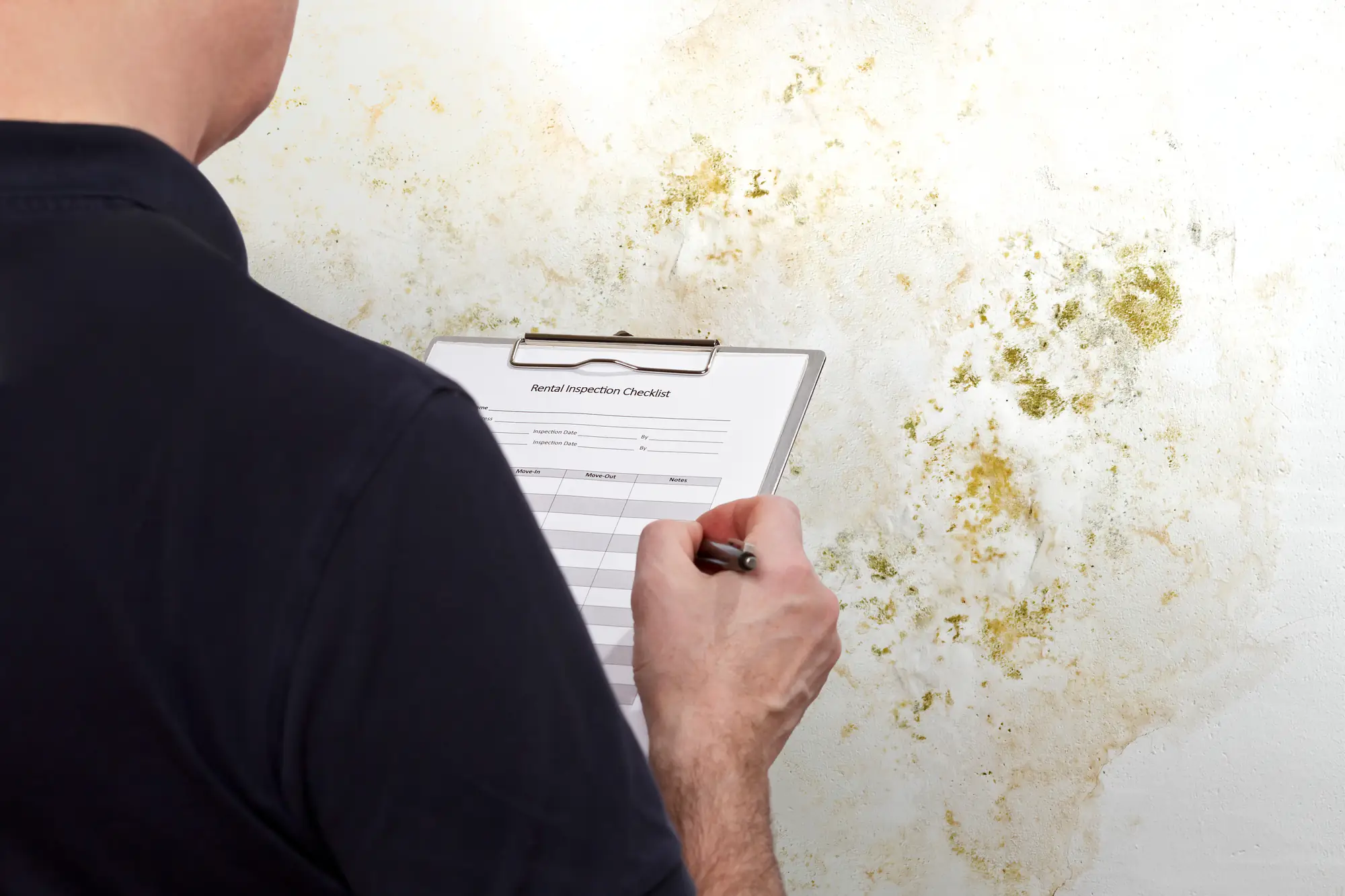
First, we walk through your home and talk about what you’ve noticed—smells, water damage, health symptoms, whatever brought you here. We’re looking for visible signs, but also moisture sources, ventilation issues, and areas where mold typically grows undetected.
Next, we collect samples. That might mean air testing to measure spore levels in different rooms, surface samples from suspicious areas, or both depending on your situation. We’re checking what’s actually in your air versus what’s normal for this region.
Then we send those samples to an independent lab for analysis. You get a detailed report that identifies mold types, concentrations, and whether levels are elevated compared to outdoor baselines. We review everything with you and explain what it means for your specific situation—not just hand you paperwork and disappear.
If there’s a problem, we talk through your options. If moisture is the root cause, we address that. If remediation is needed, we map out a plan. And if everything comes back clean, you get peace of mind and documentation you can use for real estate transactions or insurance purposes.
Ready to get started?
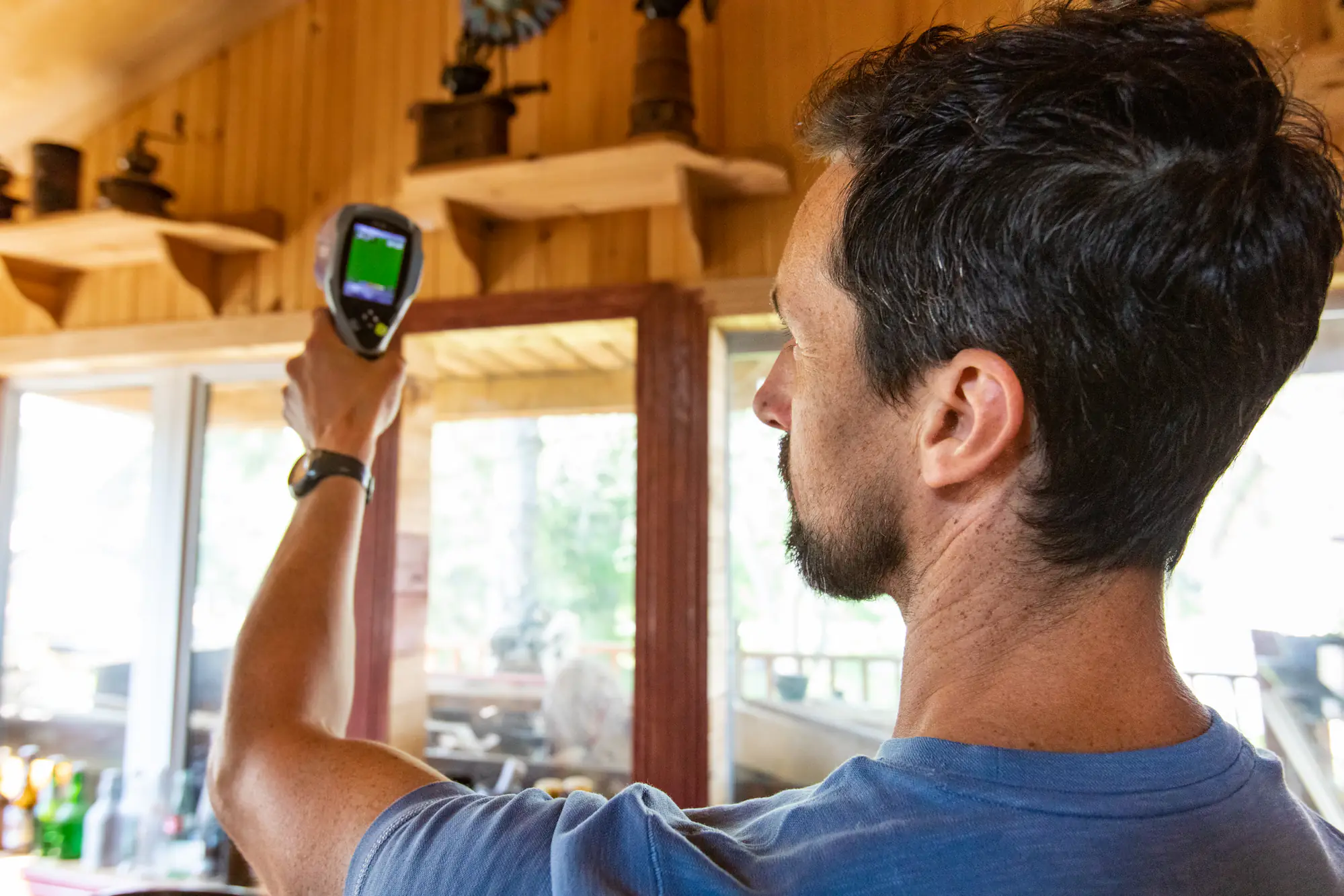
You get a complete visual inspection of your property, including areas most people don’t think to check—crawl spaces, attics, behind appliances, around HVAC systems. We’re looking for active growth and the conditions that allow it to thrive.
Air quality sampling measures what you’re breathing. We test multiple areas to compare levels and identify problem zones. Surface sampling targets visible growth or suspicious discoloration to confirm what species you’re dealing with. Some molds are relatively harmless. Others require immediate attention.
Holly Hill homes face specific challenges. Bucks County’s increased precipitation over the past few years means more basement moisture, more roof leaks, and more humidity issues. Older homes in the area often have poor ventilation and outdated waterproofing. Newer construction can trap moisture if not built correctly. We know what to look for based on your home’s age and construction type.
You’ll receive lab-certified results with clear documentation. That matters if you’re buying or selling property, filing an insurance claim, or just want proof that your home is safe. And you’ll get our honest assessment of what needs to happen next—even if that answer is “nothing.”
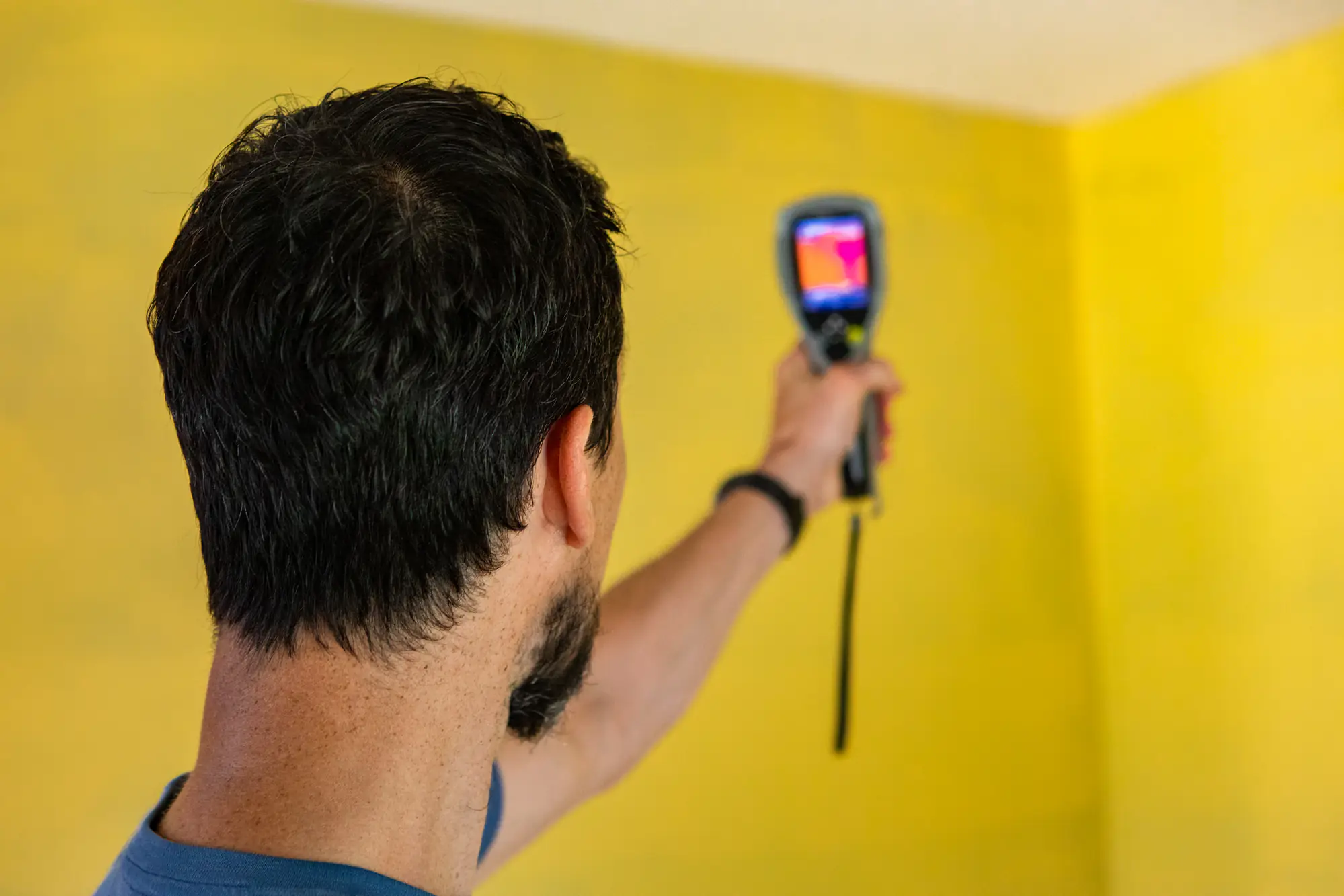
Testing typically starts around $300 for a basic inspection with air samples, though costs vary based on your home’s size and how many samples you need. If you’re testing multiple rooms or need both air and surface sampling, expect to pay more—usually in the $450 to $800 range for comprehensive testing.
That might sound like a lot, but compare it to the alternative. Mold remediation can easily run several thousand dollars if the problem spreads. Structural repairs from long-term moisture damage can cost even more. And there’s no price tag you can put on your family’s health or the value of your home.
Most insurance policies won’t cover testing unless it’s related to a covered event like a burst pipe. But if you’re buying or selling a home in Bucks County’s competitive market—where median prices hit $500K last year—testing is a smart investment that protects your transaction and gives you negotiating power if issues come up.
DIY kits are cheap and convenient, but they’re not reliable. Most are settle plates that sit out and collect whatever falls on them, which doesn’t tell you much about what’s actually in your air. They often produce false negatives that make you think you’re safe when you’re not, or false positives that create unnecessary panic.
Professional testing uses calibrated equipment that measures air volume and spore concentration. We’re comparing your indoor levels to outdoor baselines to determine if you actually have a problem. We’re also trained to spot the visual signs that indicate hidden growth—moisture stains, ventilation issues, building materials that trap humidity.
The lab analysis matters too. We can identify specific mold species, which tells us whether you’re dealing with common environmental molds or more concerning types like Stachybotrys (black mold). That information determines the right response. A $30 kit from the hardware store can’t give you that level of detail or accuracy.
The on-site inspection and sampling usually takes one to two hours depending on your home’s size and how many areas we’re testing. We’re thorough, but we’re not going to waste your entire day.
Lab results typically come back within three to five business days. Some labs offer rush processing if you’re on a tight timeline—like a real estate closing that’s coming up fast—but standard turnaround is less than a week in most cases.
We’ll call you as soon as results are in to walk through what the lab found. Then we’ll send you the full report with our recommendations. If there’s a problem that needs immediate attention, we’ll tell you right away. If everything looks good, you’ll have documentation proving your home’s air quality is safe. Either way, you’re not left wondering or waiting weeks for answers.
Testing identifies what’s in your air and where concentrations are highest, but finding the source requires detective work. That’s where our inspection comes in. We’re looking for the moisture that allows mold to grow—leaky pipes, roof damage, poor ventilation, basement seepage, condensation around windows, whatever’s creating the problem.
Mold doesn’t grow without water. Period. So if testing shows elevated levels, we’re tracing that back to the moisture source. Maybe it’s a slow leak you didn’t know about. Maybe it’s a bathroom exhaust fan that vents into your attic instead of outside. Maybe it’s a grading issue that’s pushing water into your foundation.
Pennsylvania’s humid climate and Bucks County’s recent precipitation increases mean moisture problems are common here. We’ve seen it all in Holly Hill homes—old and new construction alike. Identifying the source is just as important as confirming the mold, because if you don’t fix what’s causing it, the problem will come back even after remediation.
You’re not required to, but it’s smart—especially in Bucks County’s seller’s market where homes are moving fast and buyers are competing. You’re potentially spending $500K or more on a property. Wouldn’t you want to know if there’s a hidden problem that could cost you thousands in repairs or affect your family’s health?
Standard home inspections don’t always catch mold, particularly if it’s hidden behind walls, under flooring, or in crawl spaces. A musty smell or water stains should be red flags, but even homes that look fine can have air quality issues. Testing gives you leverage to negotiate repairs or price reductions before you close.
Sellers sometimes get testing done proactively to prove their home is clean and avoid deal-killing surprises during the buyer’s inspection period. Either way, it’s documentation that protects everyone involved. In a competitive market where inventory is tight and prices keep climbing, that peace of mind is worth the investment.
First, don’t panic. Finding mold is actually better than not knowing it’s there, because now you can address it before it gets worse. We’ll walk you through exactly what the lab found, what it means for your health and property, and what your options are moving forward.
If it’s a small, contained issue, remediation might be straightforward. If it’s more extensive, we’ll develop a plan that addresses both the mold and the moisture source causing it. There’s no point cleaning up growth if the underlying problem isn’t fixed—it’ll just come back.
We’ll give you a clear scope of work and honest pricing. No scare tactics, no inflated estimates, no pressure to do more than what’s actually necessary. Some companies use testing as a sales tool to push expensive remediation. We’re here to give you facts so you can make informed decisions about your home and your family’s health.
Other Services we provide in Holly Hill